
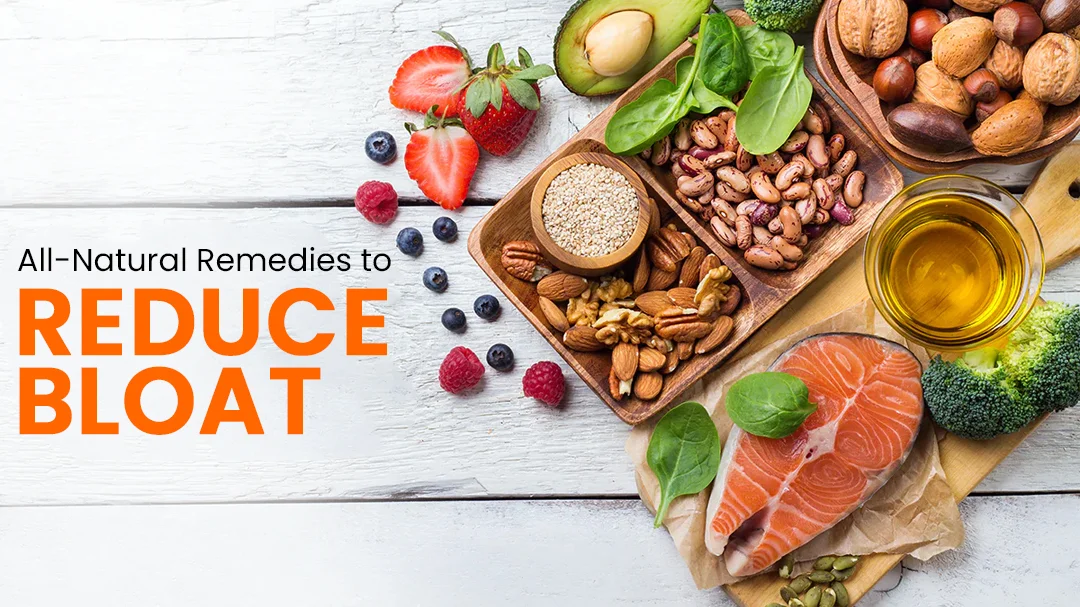
Intermittent Fasting
 Many people who fast claim they see a difference in their bloating issues in just under a week. If you’re unfamiliar with how intermittent fasting works, it means that you only consume food during an eight-hour window of your day, and the other 16 hours are meant to be spent fasting.
Ginger

Ginger is considered to be one of the most anti-inflammatory ingredients out there. It’s the most potent and powerful when it comes straight from the root, but ginger is often found in supplements and teas as well. Because ginger alleviates discomfort and protects the stomach lining, it can help with bloating, nausea, pain, and more. Ginger root can look intimidating if you’ve never used it, but it’s actually so simple to throw into a blender. You can buy it at almost any health food store or grocery store. When you’re ready to use it, just break off a little piece, rinse, peel, and throw in the blender (some people don’t peel it—I personally do, because the peel can make it a little bitter if the ginger is over a couple days old).
Fennel
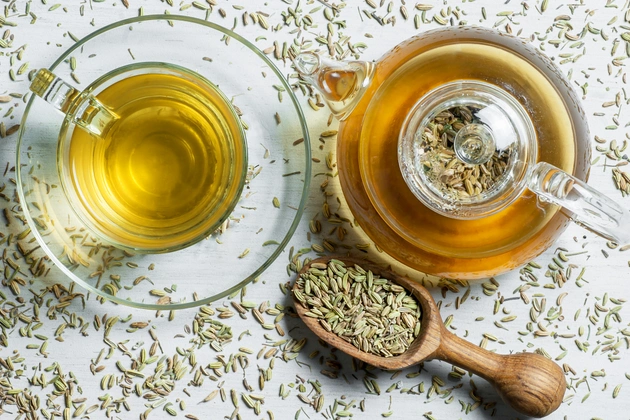
Fennel has been known to work wonders for the digestive system. In traditional medicine, fennel has been used to alleviate everything from bloating to abdominal pain to intense gas. A recent study showed that fennel plants and seeds have anti-inflammatory properties and are also antibacterial and antifungal. Its seeds and powder have a licorice-like taste, and you can really sprinkle it onto any food. I even add it right into hot water with lemon to make my own tea.
Liquids

One thing I’ve found to be very helpful with bloating is eating softer, more liquid-filled food. The softer the food, the more pre-digested it is, so this really implies adding more water and cooking longer. Try adding extra water to the oatmeal you make, cooking your rice or quinoa with more water so it’s almost in a broth, and eating more soups and pureed foods. Bloating or not, this will help you digest and absorb more food and nutrients. I always say you’re not what you eat, you’re what you absorb.
Moderate Stress Levels