



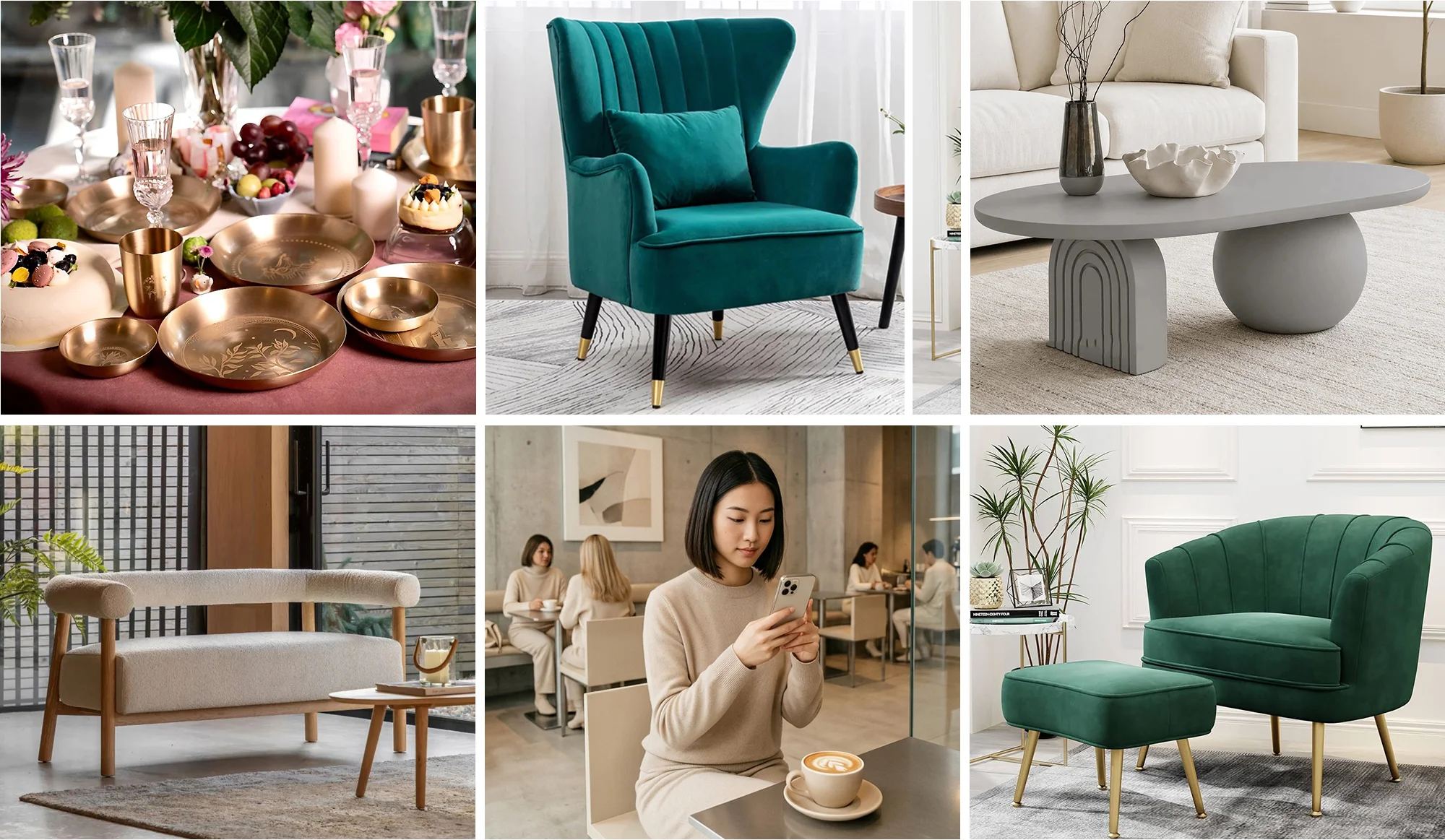
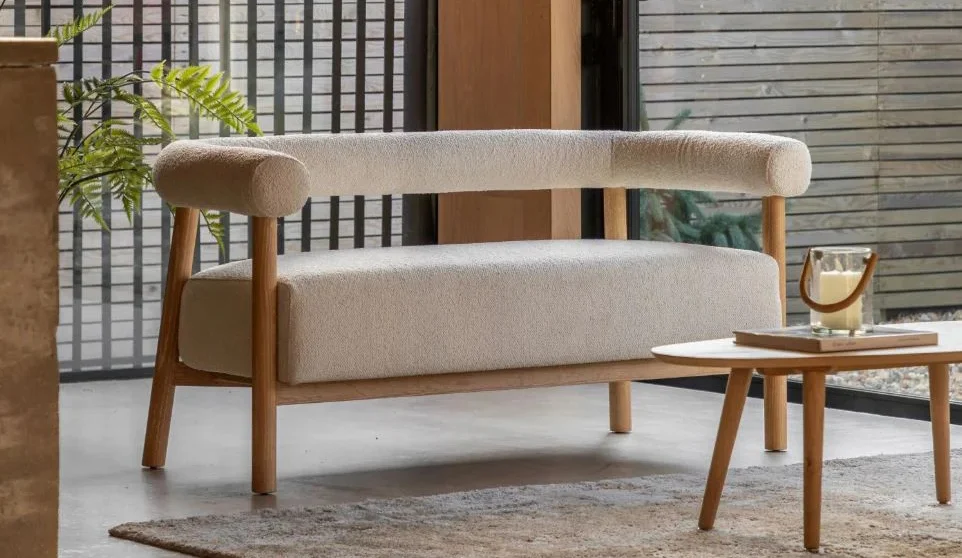
 The design world has officially entered its rebellious teenage years. For the better part of two decades, we were told that enlightenment could be achieved by owning fewer objects, painting everything beige, and hiding every wire known to mankind. We complied by purchasing bouclé chairs no one was allowed to sit on, coffee tables that held exactly one book titled The Art of Nothingness, and homes so minimal that if you misplaced your keys, they instantly became the focal point of the room. Minimalism had a wonderful run, but it eventually started to resemble a very expensive waiting room.
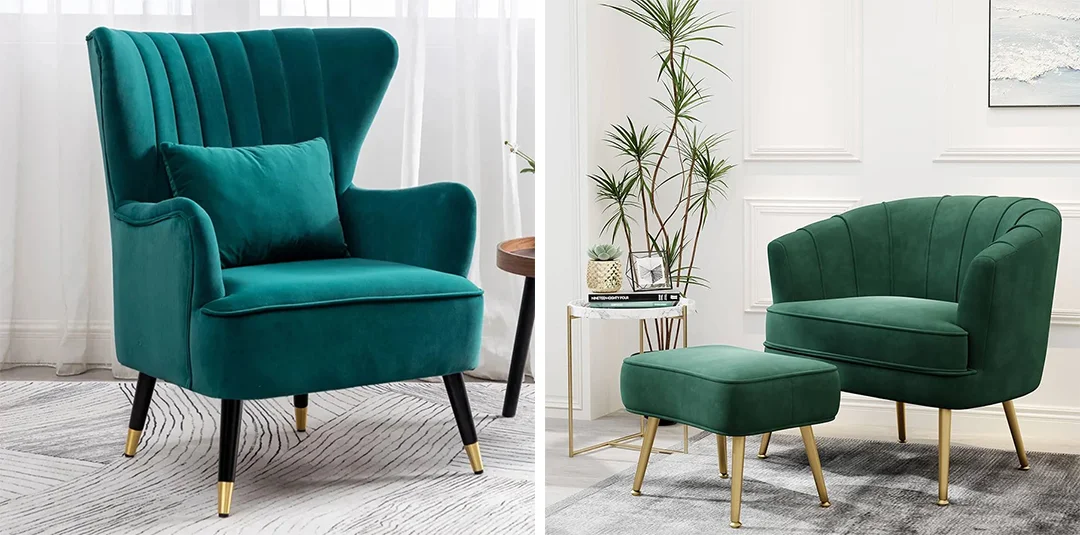
Then, something shifted. Someone placed an emerald green chair in a room dressed entirely in taupes and warm beiges, casually throwing a thick navy blue throw over it. Suddenly the room had a pulse, and the walls, after years of polite silence, finally had something to talk about. That chair wasn’t just furniture it was the extrovert at an introvert’s dinner party. And that, perhaps, is the new language of design.
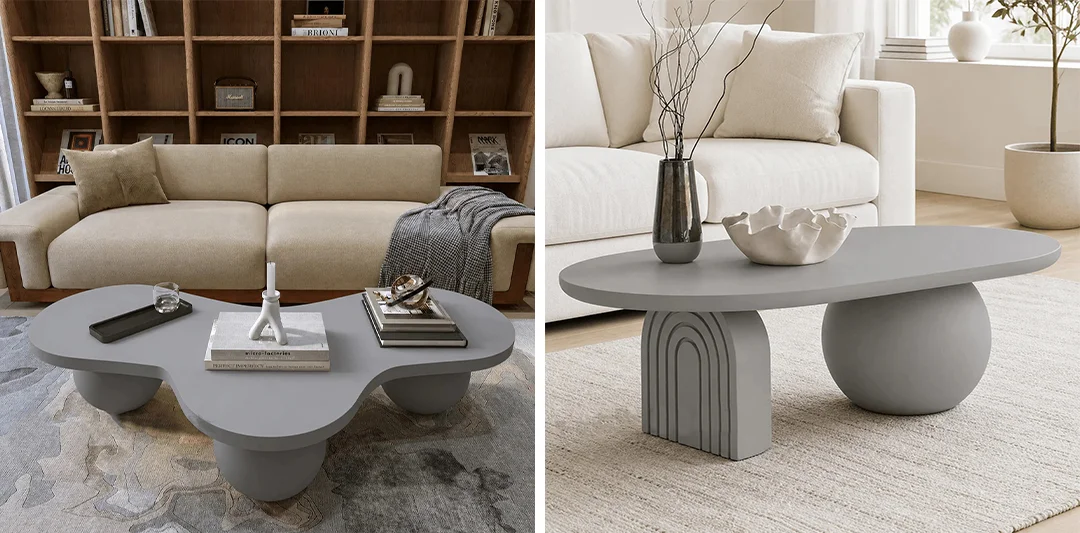
Contrary to popular belief, maximalism is not the opposite of minimalism; it is its punctuation. The architecture may remain restrained and the palette may whisper rather than scream, but somewhere in the composition sits an object that unapologetically steals the conversation. Whether it is a sculptural coffee table, an oversized light fixture, or a cabinet that behaves more like a piece of architecture than storage, spaces are demanding a focal point. The room itself may be quiet, but it deserves one loud opinion.
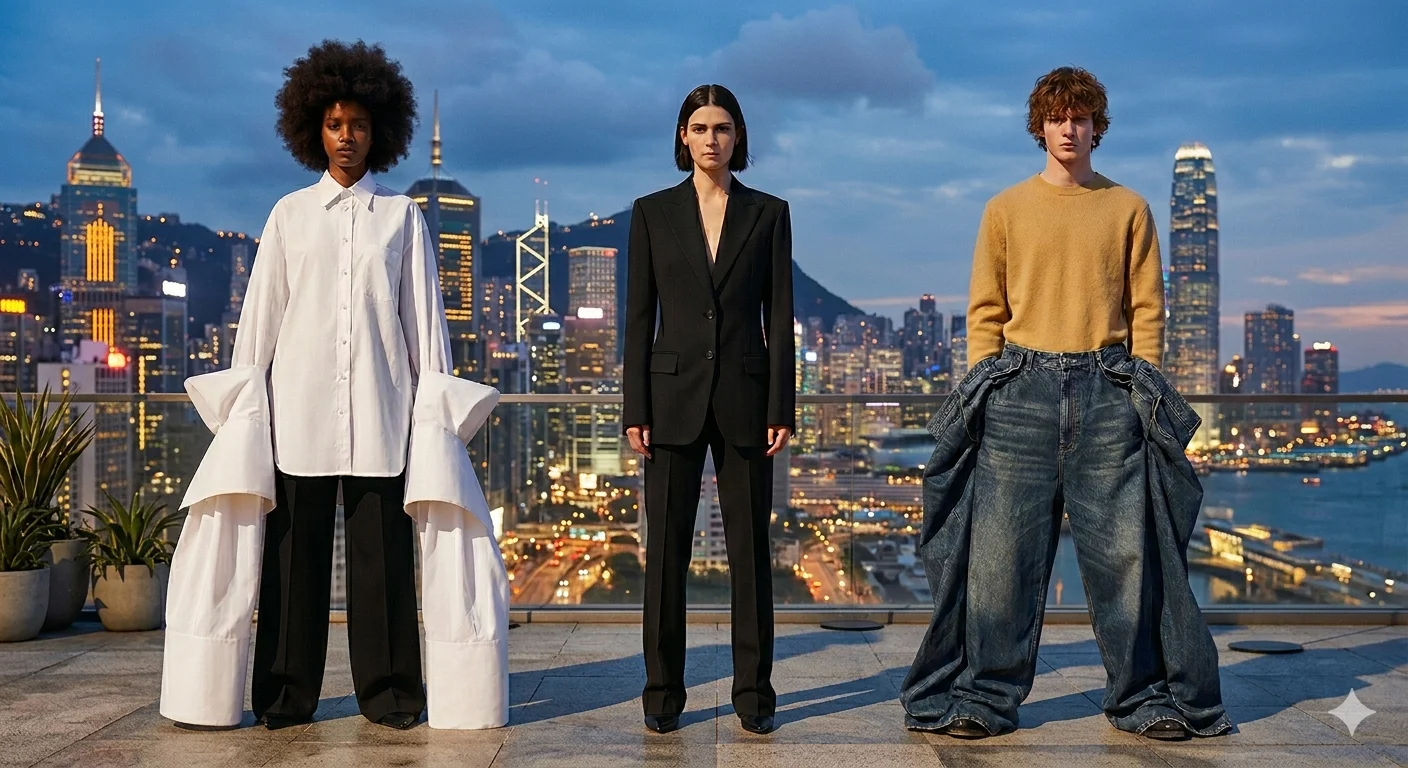
Fashion is telling exactly the same story of rebellion. The plain white shirt survives, but now it arrives wearing cuffs large enough to negotiate peace treaties. Meanwhile, a black outfit that once whispered sophistication now sports an eagle brooch the size of a small bird sanctuary, and denim has become so generously cut that one pair could comfortably accommodate both your optimism and your bad decisions. Even polka dots, perhaps the most timeless of prints, have stopped behaving they no longer decorate, they occupy territory.
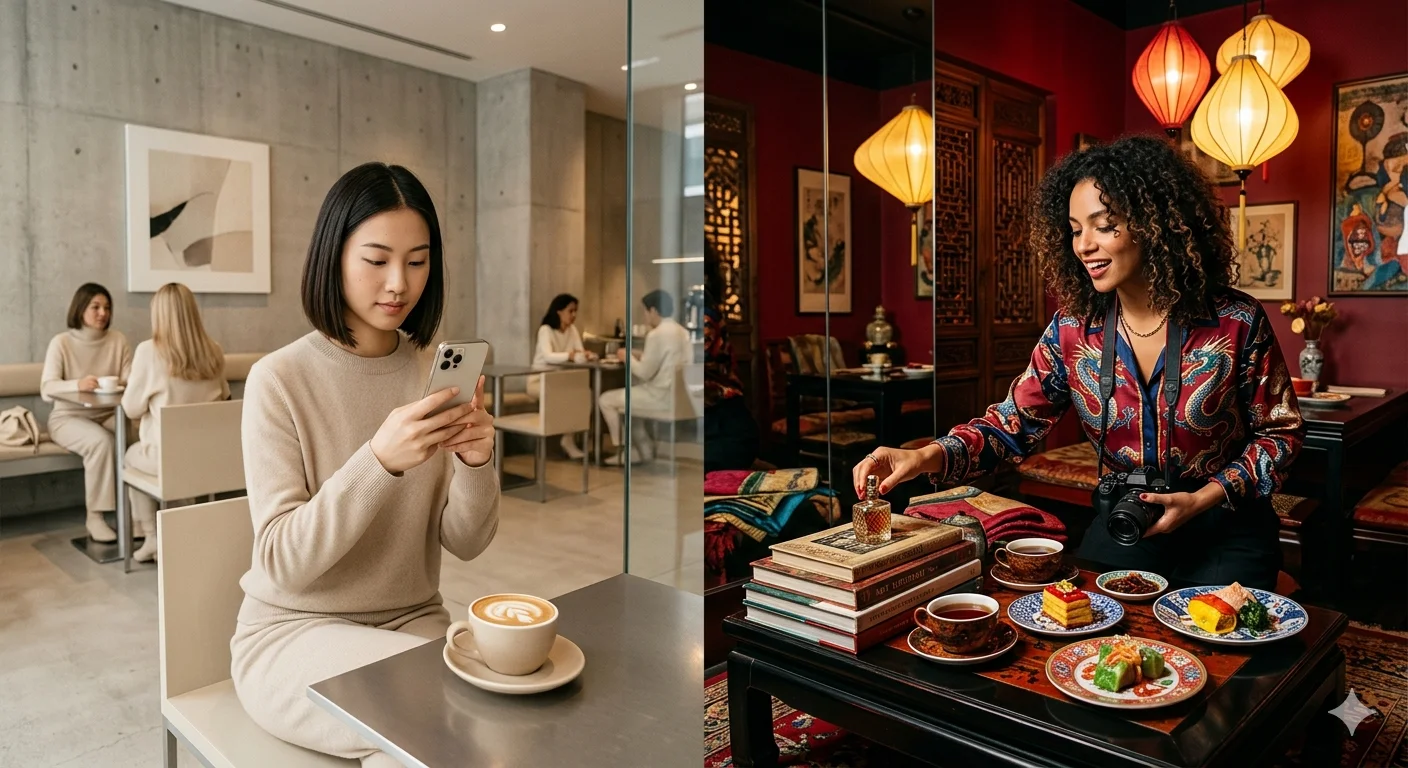
Luxury, today, is no longer about restraint alone; it is about memorability. Every generation rebels against the previous one, and ours appears to have chosen beige, which is understandable given how algorithms have already convinced us to watch the same films, listen to the same music, and photograph the same coffee. Our cafés look alike, our apartments risk looking alike, and our wardrobes increasingly resemble identical mood boards. Somewhere along the way, we decluttered our homes until we accidentally decluttered our personalities, prompting the world to look East not out of curiosity anymore, but out of admiration.
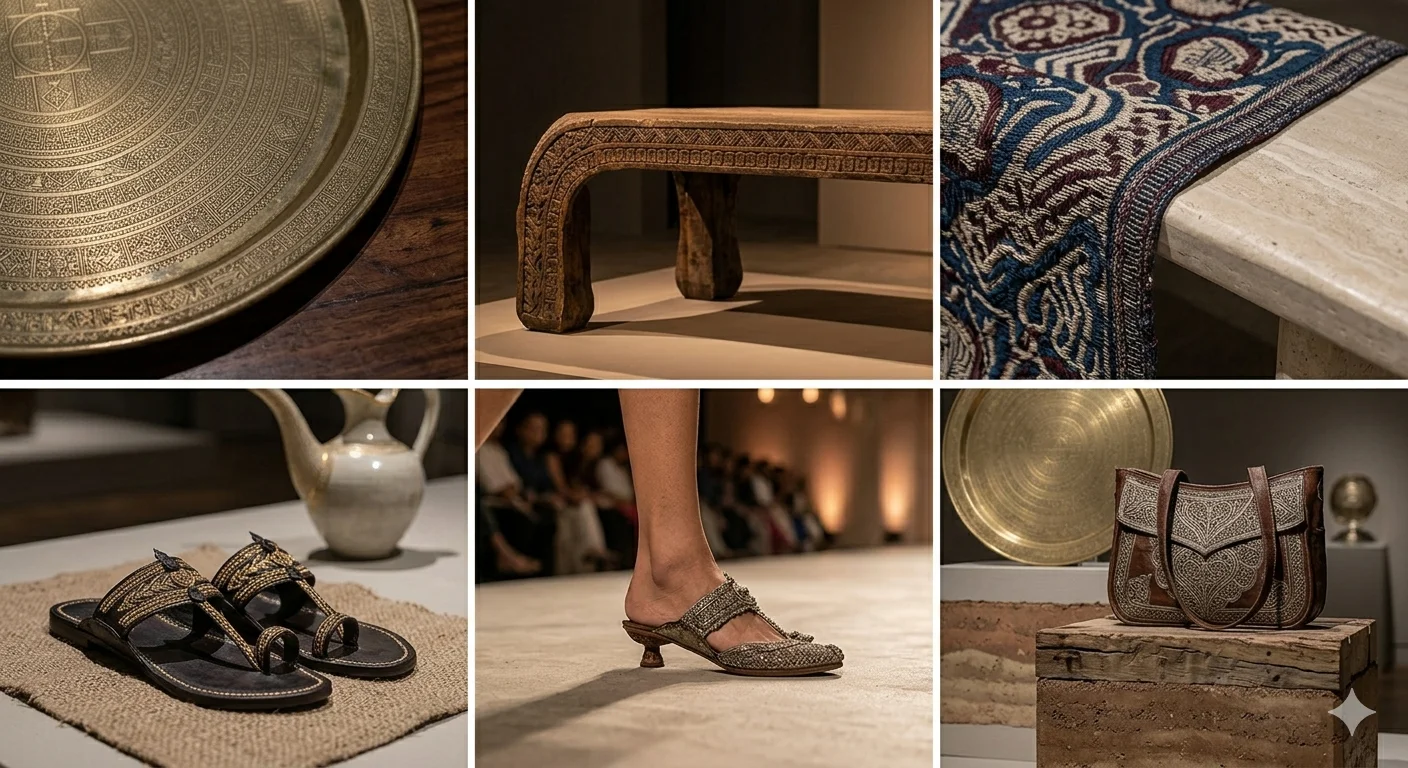
The arrival of the Kolhapuri on international luxury runways wasn’t merely a fashion moment, but a reminder that craftsmanship, ornamentation, and storytelling never really went out of style. The East has always understood embellishment, having spent centuries carving, weaving, engraving, layering, and celebrating detail while much of the world perfected a restraint that it now looks upon enviously. The future of luxury is therefore not necessarily louder colors; sometimes the palette remains calm while the craftsmanship commands attention. If the colors don’t speak, the detailing certainly does through an etched brass surface, a deeply carved timber edge, a handwoven textile, an exaggerated proportion, or a beautifully unnecessary detail executed with obsessive precision, because the unnecessary is often what makes something unforgettable.
This philosophy sits at the heart of Kinaray. We are not interested in creating objects that quietly match a room, but are instead focused on creating pieces that interrupt it. We design pieces that demand a second glance, start conversations, carry stories, and age gracefully into heirlooms. We believe that one extraordinary object can give more identity to a space than an entire catalogue of safe decisions, because the future of design is not minimal or maximal the future is memorable.